 01 / NOTICE
01. ATTENTION
THE CHARACTER
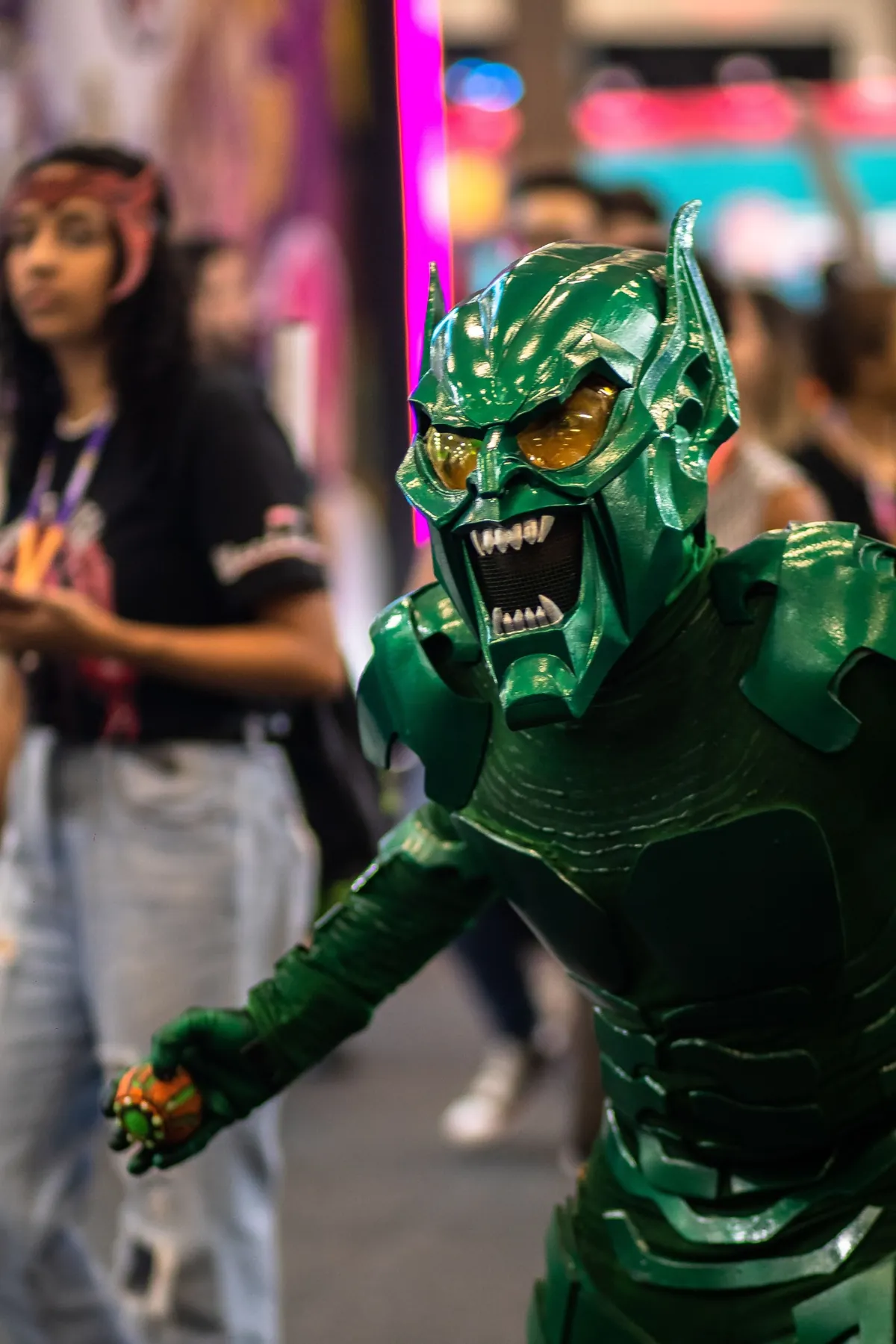
Who is this? What clues help us infer their intentions?
A reader can begin with a superhero, an animated scene, a comic panel or a moment of suspense—and move from excitement into vocabulary, comprehension, literary analysis and a reason to turn the next page.
Before they decode the paragraph, they may already understand the plot. Four frames show how we turn that connection into literary learning.
01 / NOTICEWho is this? What clues help us infer their intentions?
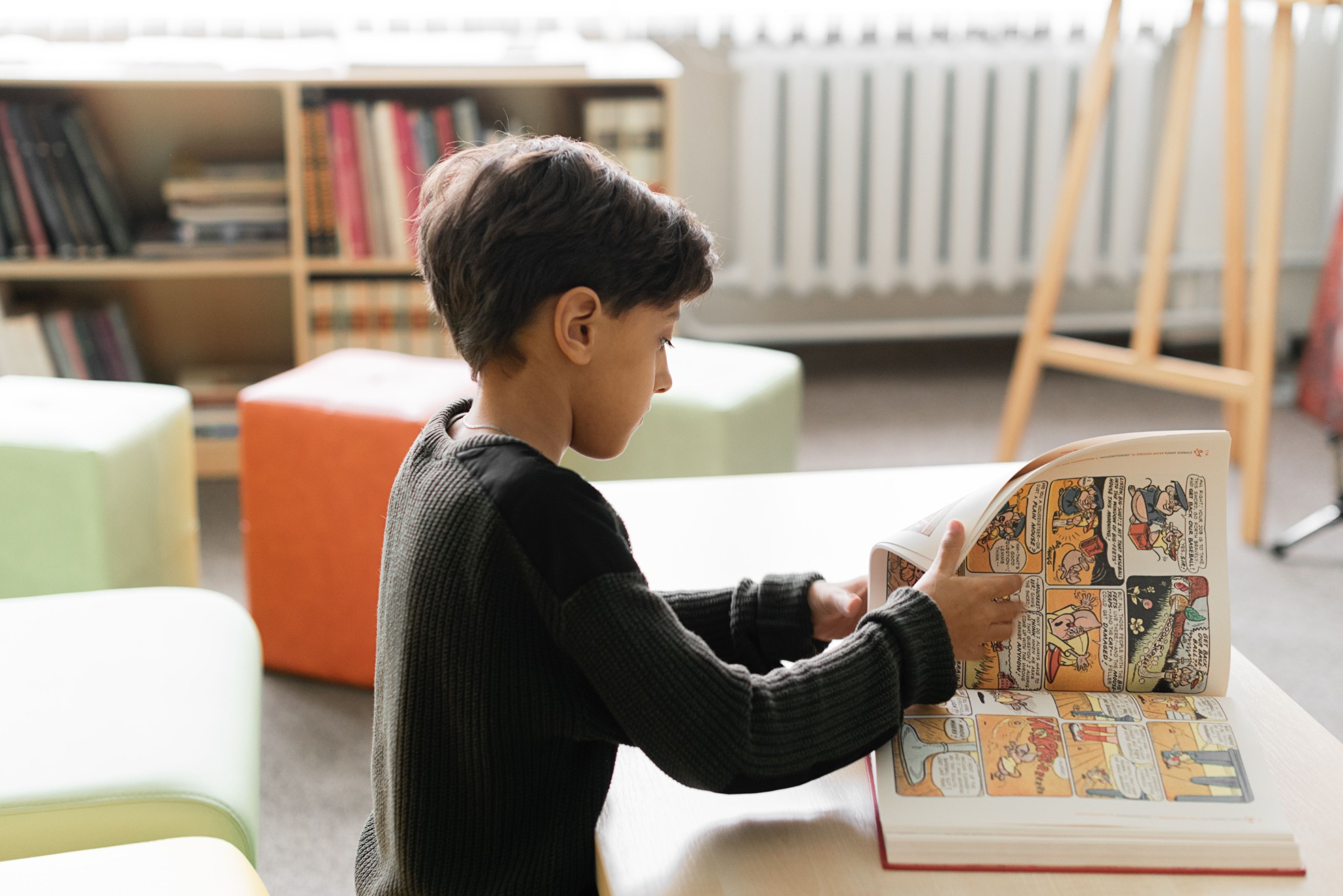 02 / READ
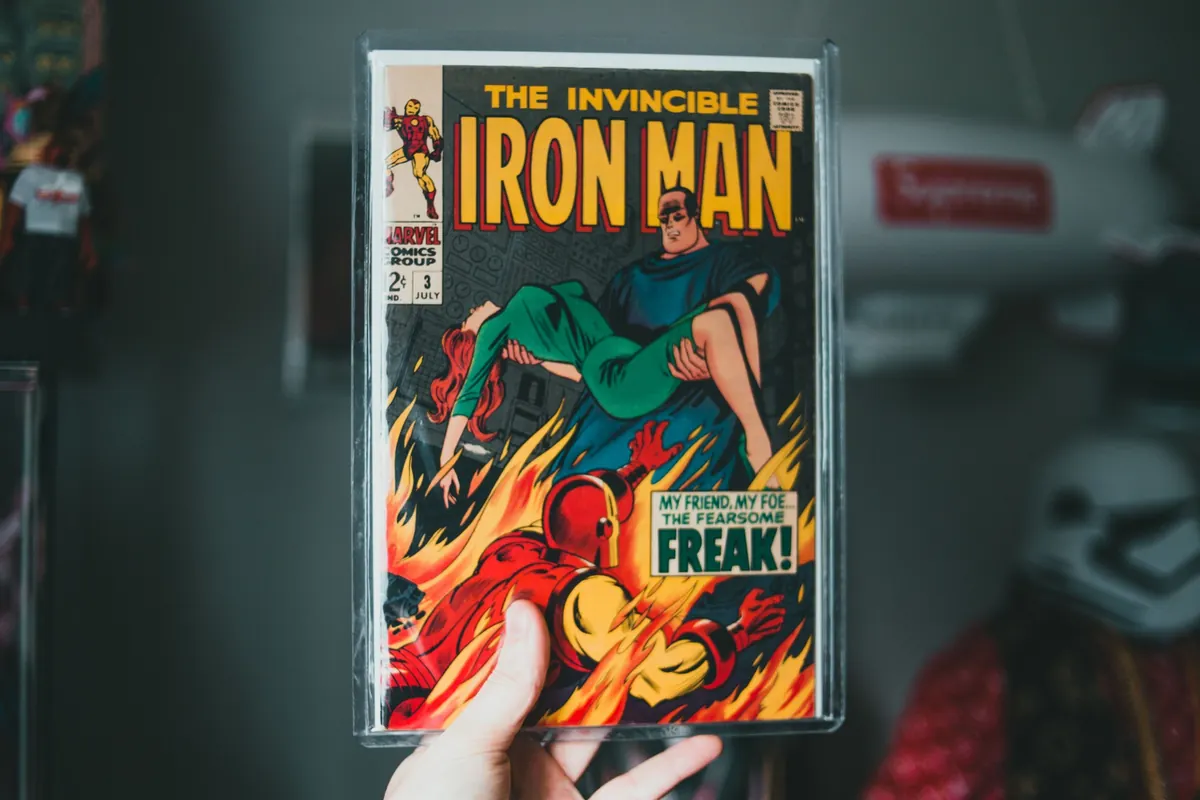
What happened first, and what will happen next?
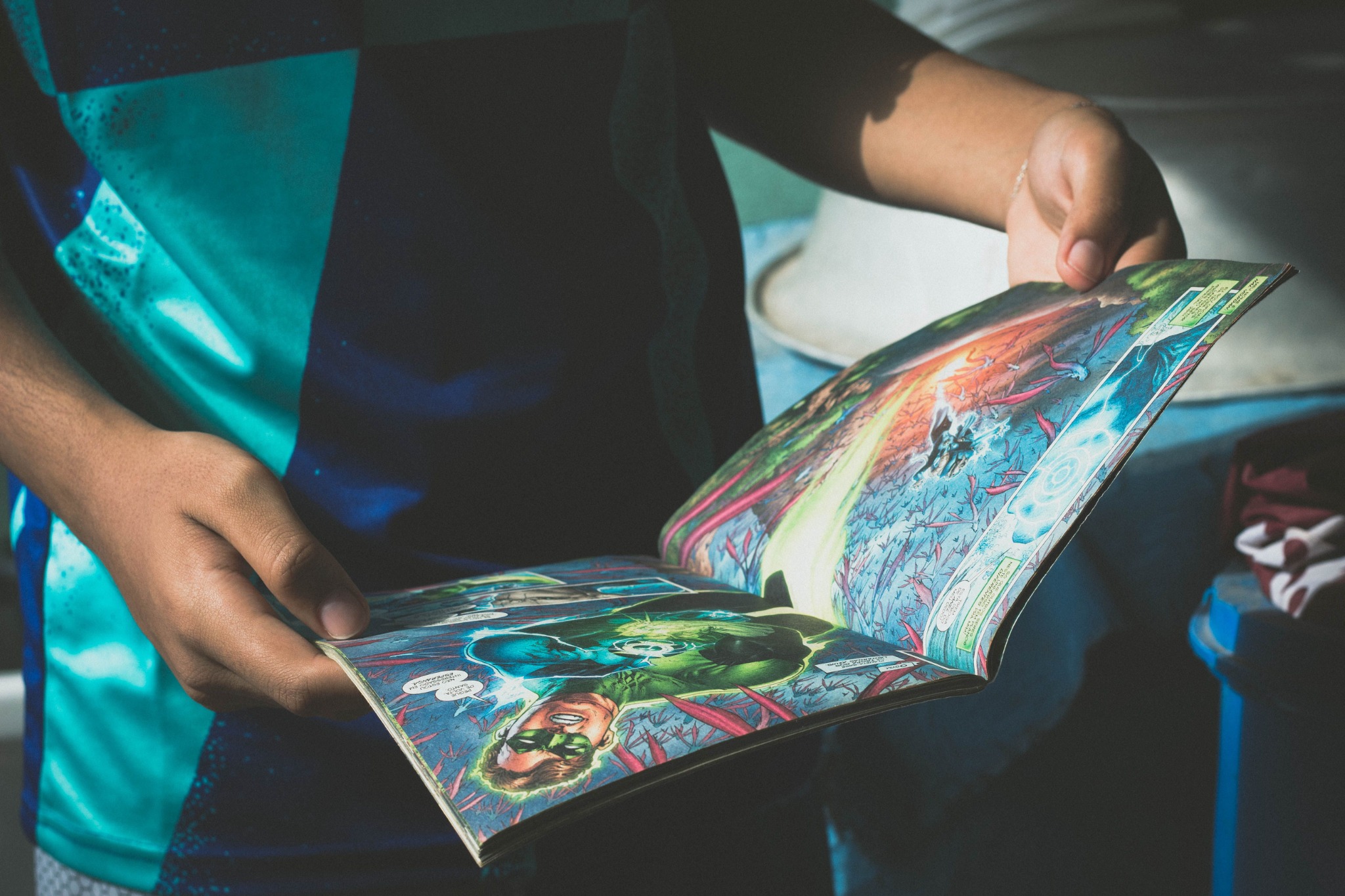 03 / INTERPRET
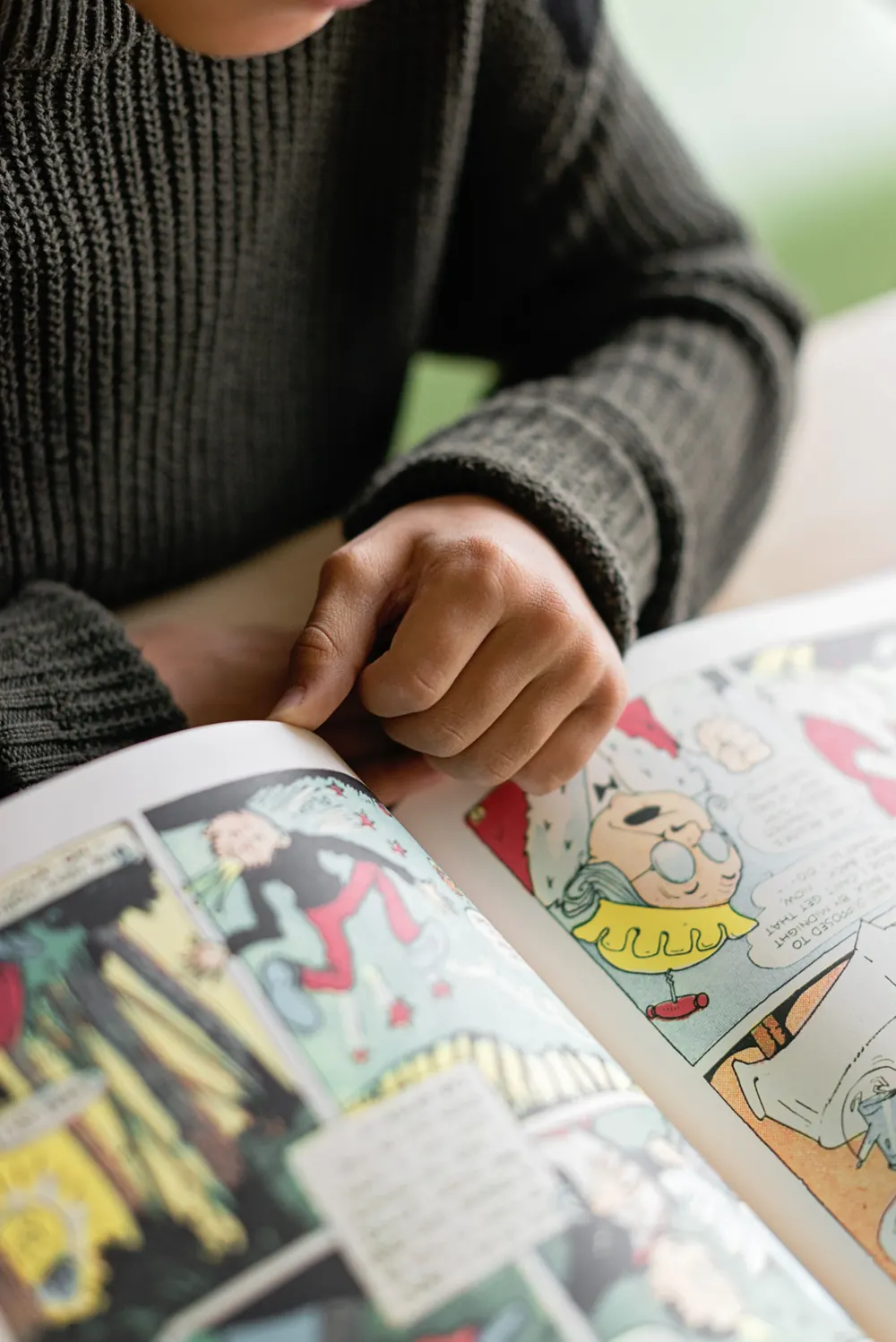
Which details shape mood, conflict and voice?
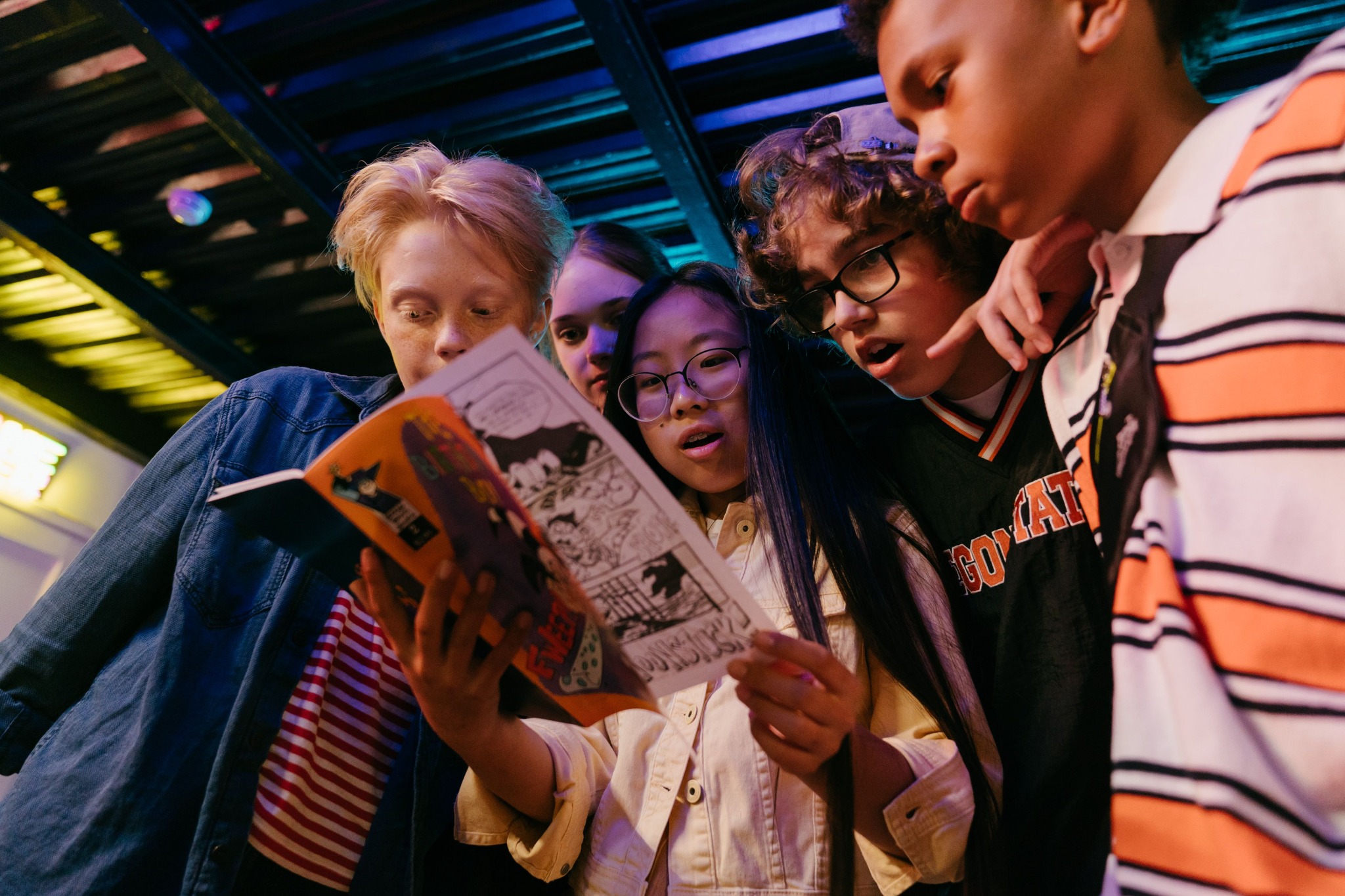 04 / CREATE
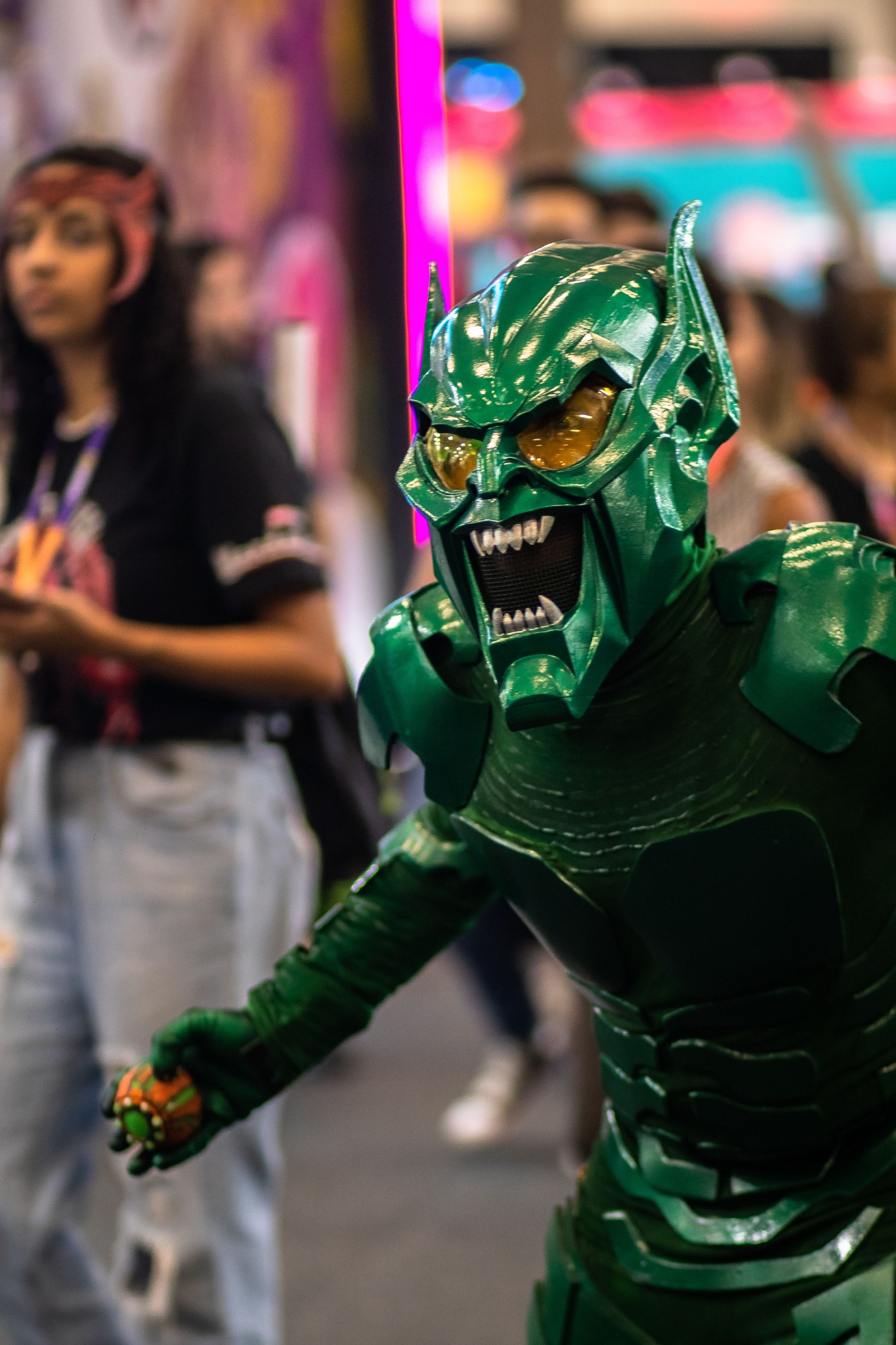
Turn a story observation into original sentences.
A child can explain a superhero’s hidden identity, predict the next twist in an anime and remember dialogue from a favourite film—yet still feel defeated by a page of print.
What if we treated that enthusiasm as the beginning of instruction? COMLITERICKS™ is a teaching strategy that connects familiar story worlds with decoding, comprehension, vocabulary, literary analysis and original writing. Enjoyment opens the door. Teaching takes the learner through it.
Discover the teaching strategy ↗ POW!The first page matters.
Literacy is not only the ability to pronounce words. It is the confidence and capacity to make meaning. International assessments show a serious reading-comprehension challenge—especially for children whose learning was disrupted.
World Bank and partners’ 2022 estimate for children in low- and middle-income countries.
2022 global learning-poverty estimate · not a Barbados rateUNESCO Global Education Monitoring reported this worldwide estimate in 2024.
2024 GEM global measure · different population and indicatorThese are different measures and should not be compared as a trend. Neither figure is a Barbados-specific literacy rate. World Bank / partner estimate ↗ · UNESCO GEM ↗
COMLITERICKS is not a proposal to replace books with screens. It is a structured route from a story learners recognise to words, evidence, interpretation and independent reading.
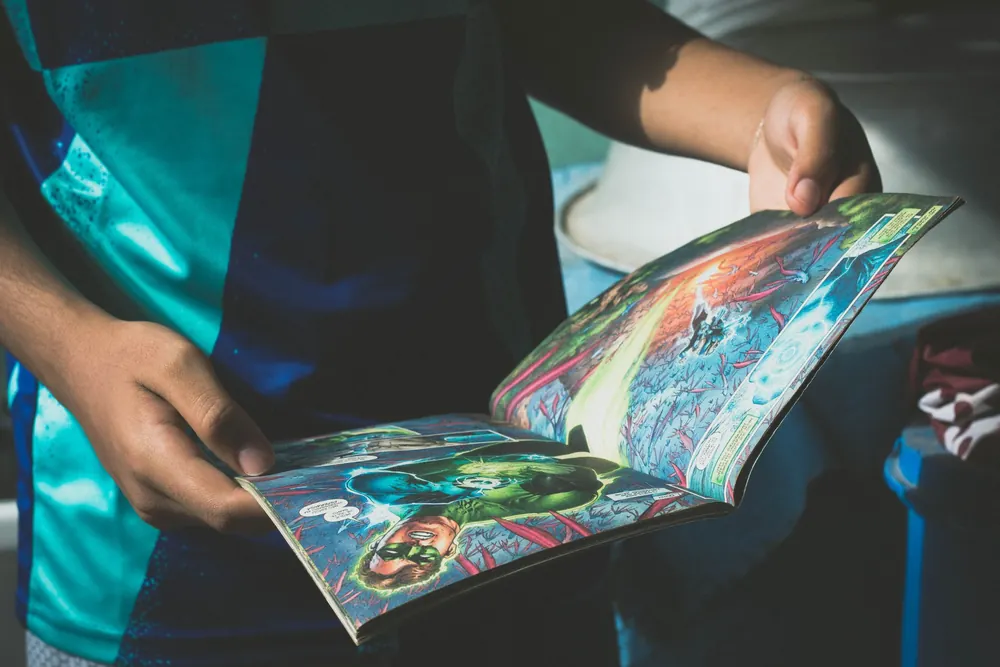 From panel to paragraph.
Begin with a visual scene, illustrated page or short extract. Invite noticing, interest and prediction.
Study sequence, language and visual evidence. Ask what we know, infer and can defend.
Teach vocabulary, decoding where needed, dialogue, imagery, structure and literary devices explicitly.
Move to prose reading, explanation, composition, revision and independent expression.
The techniques in a gripping superhero reveal, a manga cliffhanger or a memorable animated character are also the techniques of literature.
In comics, film and literature, conflict drives the story. How a character faces the struggle reveals who they are—and who they might become.
COMLITERICKS uses these moments to discuss not only plot and character development, but also empathy, thoughtful choices and handling disagreement in everyday life.
Explore Conflict: story and life skill ↗Here is a tiny original teaching example. Start with an imagined visual scene, notice a clue and practise literary reasoning.
“Nia found a glowing key. As she picked it up, a shadow moved behind her.”
Look for a clue that points toward something that may happen later.
The scene is invented for this website. A real lesson continues with vocabulary, connected prose, explicit reading instruction where needed and a written response.
Not every story ends when the great battle is won. Compare the familiar dramatic arc of Freytag’s Pyramid with the proposed Marcus Model Narrative™ for continuing, episodic stories.
A completed short story may rise to a climax and resolve. An anime season or a comic issue may turn a victory into a new danger. Learners need language to explain both.
Explore both models ↗Build, climax, consequence, resolution.
Foundation, ascent, sustained extension, threshold, continuation.
Both are interpretive teaching lenses, not universal templates. The Marcus Model is a proposed narrative framework that can be examined, taught and refined through educational research.
COMLITERICKS can be adapted to learners' ages, reading needs and contexts. The medium changes. The commitment to purposeful literacy instruction does not.
Picture sequencing, oral language, sound–symbol work, vocabulary and first story writing.
Explore primary pilots →02 ↗Comprehension, character arcs, literary devices, essay evidence and critical comparison.
Explore secondary pilots →03 ↗Narrative theory, multimodal literacy, media criticism and educator preparation.
Explore tertiary pilots →04 ↗Low-pressure reading, real-world comprehension, lifelong literacy and creative confidence.
Explore community pilots → A strategy to test.
COMLITERICKS is an instructional proposition. Its impact should be demonstrated through a carefully designed pilot programme—not assumed because the lessons are colourful or exciting.
Proposed pilots can establish a baseline, compare pre- and post-reading measures, track engagement and look closely at whether students transfer new understanding into unfamiliar texts and independent writing.
Design a pilot with us ↗Educational institutions can co-design appropriate safeguards, consent and evaluation with the project team.
THE BOOK IS THE BEGINNINGA novel or novella becomes a doorway into character, identity and change. In a COMLITERICKS Character Encounter, learners research a character, optionally represent them in class and turn their reading evidence into a character-sketch essay.
Meet the Character Encounter ↗What would change if a reluctant reader wanted to find out what happened next? The next COMLITERICKS chapter could begin in your classroom, campus, programme, institution or community.