Comics as Literature

In-depth learning page

One visual text can open a whole language-and-literature classroom.

COMLITERICKS™ treats comics, cartoons, graphic narratives and related visual storytelling as complex literacy spaces. They are not automatically “easy texts.” They ask readers to make meaning from image, language, sequence, symbol, character, silence and culture at the same time.

That makes the medium especially useful for teaching an important literacy habit: meaning is constructed from evidence across multiple systems. A reader must interpret what is written, what is shown, what is omitted and what happens in the space between panels.

See the research baseBack to homepage
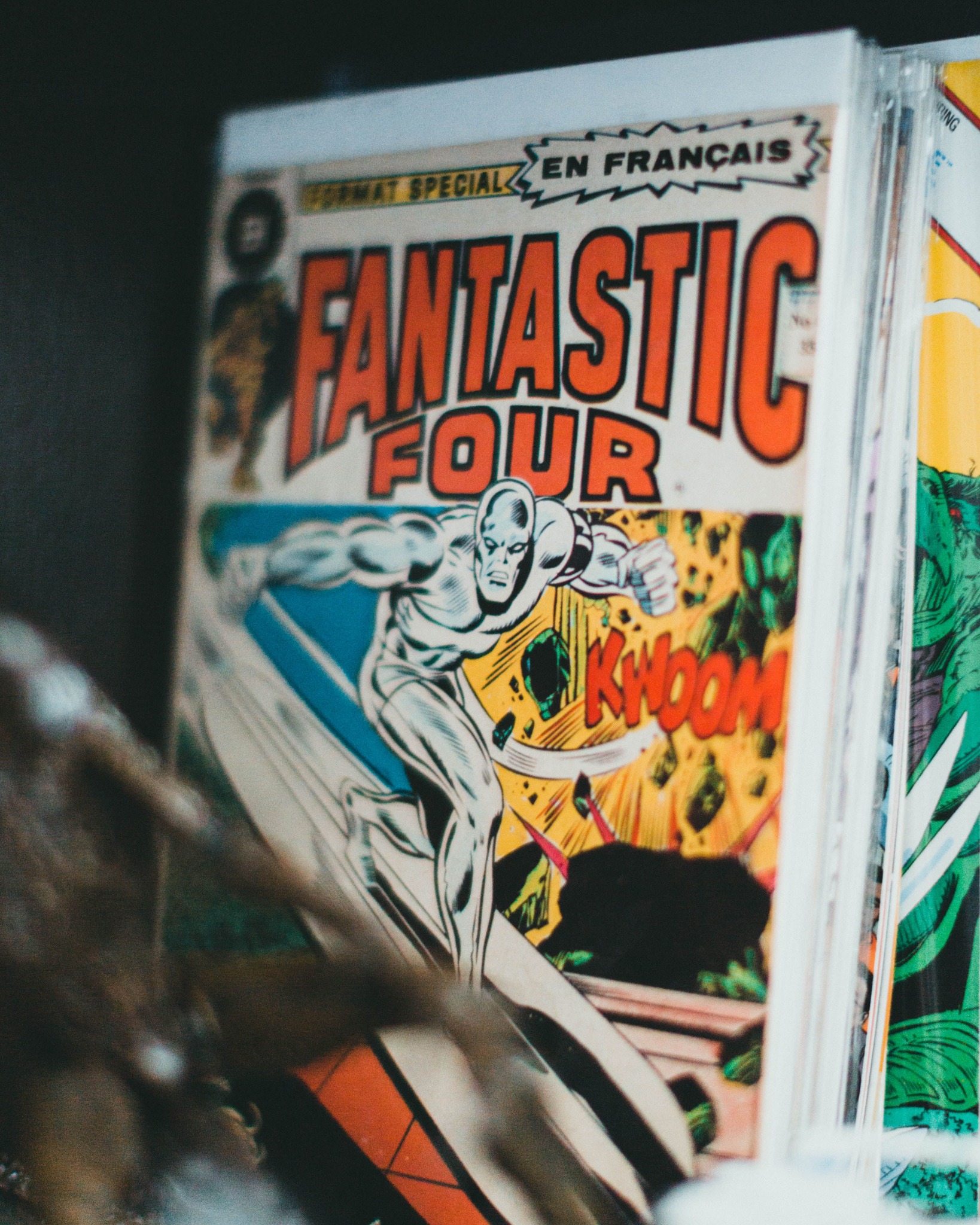
Comic books in a store
Read the page. Read the frame. Read the gap between them.
Why call it literature?

Narrative, language and form

Literature is not defined only by pages of uninterrupted prose.

Comics carry literary content

They can develop plot, characterization, conflict, setting, point of view, theme, symbolism, irony, foreshadowing, dialogue and cultural representation. These are not decorations around the story; they are part of how the story means.

Comics add visual grammar

Meaning also comes from panel size, framing, colour, gutter space, page layout, facial expression, lettering, caption placement and sequence. The reader coordinates these systems, making comics a strongly multimodal form.

Literary Toolkit

Five reading lenses

What can students learn from comics?

A strong comic-reading lesson can develop the literary habits expected of prose readers while adding explicit attention to visual composition, framing and sequence.

Story architecture

Narrative, exposition, plot, conflict, rising action, climax, falling action, denouement, subplot, setting, theme and point of view can all be traced through words and images together.

Character & dramatic voice

Characterization emerges through speech, gesture, expression, costume, silence, relationships, camera angle, narration and what other characters say or withhold.

Language, sound & style

Dialogue, register, code-switching, onomatopoeia, imagery, metaphor, simile, hyperbole, wordplay and emphasis become visible and discussable on the page.

Symbol, culture & imagination

Colour, recurring objects, costume, mythology, environment and visual motifs can support interpretation of identity, representation, culture and theme.

Visual grammar

Panels, gutters, captions, speech balloons, framing, camera angle, page layout, colour, pacing, flashback and foreshadowing all shape meaning.

Critical literacy

Students can ask who speaks, whose perspective is centred, what the page invites us to assume, and how power, identity or difference is represented.
Reading the page

Four linked acts of interpretation

The reader is doing more than decoding speech balloons.

1

Notice

Identify concrete visual and verbal details: expression, angle, caption, sound, colour, gesture or sequence.

2

Infer

Ask what those details suggest about motive, mood, relationship, conflict or meaning.

3

Connect

Name the literary or visual principle: symbolism, characterization, irony, pacing, point of view or another concept.

4

Transfer

Apply the same interpretive habit to prose, writing, another image sequence or an original composition.

Visual grammar

How the medium creates meaning

The panel is not just a container. Its design is part of the reading.

Panel & sequence

A panel freezes one selected moment. Sequence places moments in relation. Readers infer movement, causation and time between images, so the order of panels becomes a form of syntax.

Gutter

The blank space between panels asks readers to supply what happened in the gap. That act of inference makes the gutter especially useful for teaching evidence-based reasoning.

Framing, angle & distance

A close-up can intensify emotion; a low angle can suggest power; a wide shot can establish setting. These choices shape perspective just as word choice and narrative voice do in prose.

Lettering, balloons & sound

Bold type, balloon shape, caption style and sound effects affect tone, volume, pace and emphasis. Students can analyse how written language becomes visual design.

Classroom Practice

From noticing to evidence

How COMLITERICKS™ turns a panel into literacy work.

Notice

Start with what is visible

Ask learners to identify a concrete visual or language detail before interpreting it.

Infer

Explain what the detail suggests

Move from “I see” to “I think this may mean…” and require evidence for the inference.

Connect

Name the literary principle

Attach vocabulary such as symbolism, characterization, suspense or irony to the evidence already noticed.

Transfer

Apply the skill beyond the comic

Use a prose passage or writing task to see whether the learner can transfer the same interpretive skill.

Across forms

Comics, manga, graphic novels and more

The same literacy principles can travel across different visual-story traditions.

COMLITERICKS™ can invite comparison without pretending all forms are identical. Page direction, panel density, visual conventions, genre expectations and cultural contexts vary. The educational task is to notice those differences and ask how they affect meaning.

Compare structure

How does a western comic issue, a manga chapter, a graphic memoir or a webcomic organise sequence and pacing differently?

Compare representation

What cultural references, visual conventions, dialects or identity markers shape how characters and worlds are represented?

Research Base

Why this belongs in serious literacy teaching

Research across comics studies, literacy education and multimodality supports treating graphic narratives as complex texts rather than as automatically “easy” reading. The studies below do not prove that every comic improves literacy. They support a more careful claim: visual literacy, explicit instruction and purposeful pedagogical design matter when students read multimodal texts.

Visual literacy instruction can improve comics comprehension

Golding and Verrier report improved comprehension and inferential understanding after a comics-based visual-literacy intervention with primary-school children.

Golding & Verrier, 2021 →

Comics reading is both visual and textual literacy

Wallner’s classroom study examines how pupils and teachers construct comics literacy through both image and text, challenging the assumption that comics are inherently simple.

Wallner, 2020 →

Readers actively construct multimodal meaning

Connors examines how high-school readers draw on visual and linguistic design to construct literary meaning in a graphic-novel reading group.

Connors, 2013 →

Graphic novels can support reading comprehension

Cook investigates graphic novels as replacement and supplemental texts in high-school English classrooms and reports significant effects within the study design.

Cook, 2017 →

Comics can support multimodal composition

Comics pedagogy can extend beyond reading to production, connecting visual design, composition, sequencing and creative writing.

Comics in the English classroom, 2018 →

Multimodal literacy benefits from explicit teaching

Lim argues for systematic instruction that helps students critically view multimodal texts and produce effective multimodal meanings.

Lim, 2018 →

Selected scholarly references

  1. Golding, S., & Verrier, D. (2021). Teaching people to read comics: the impact of a visual literacy intervention on comprehension of educational comics. Journal of Graphic Novels and Comics, 12(5), 824–836.
  2. Wallner, L. (2020). Kid friendly? Constructions of comics literacy in the classroom. Language and Literature, 29(1).
  3. Connors, S. P. (2013). Weaving multimodal meaning in a graphic novel reading group. Visual Communication, 12(1).
  4. Cook, M. P. (2017). Now I “See”: The Impact of Graphic Novels on Reading Comprehension in High School English Classrooms. Literacy Research and Instruction, 56(1), 21–53.
  5. Lim, F. V. (2018). Developing a systemic functional approach to teach multimodal literacy. Functional Linguistics, 5, Article 13.
  6. Burger, A. (Ed.). (2018). Teaching Graphic Novels in the English Classroom: Pedagogical Possibilities of Multimodal Literacy Engagement. Palgrave Macmillan.